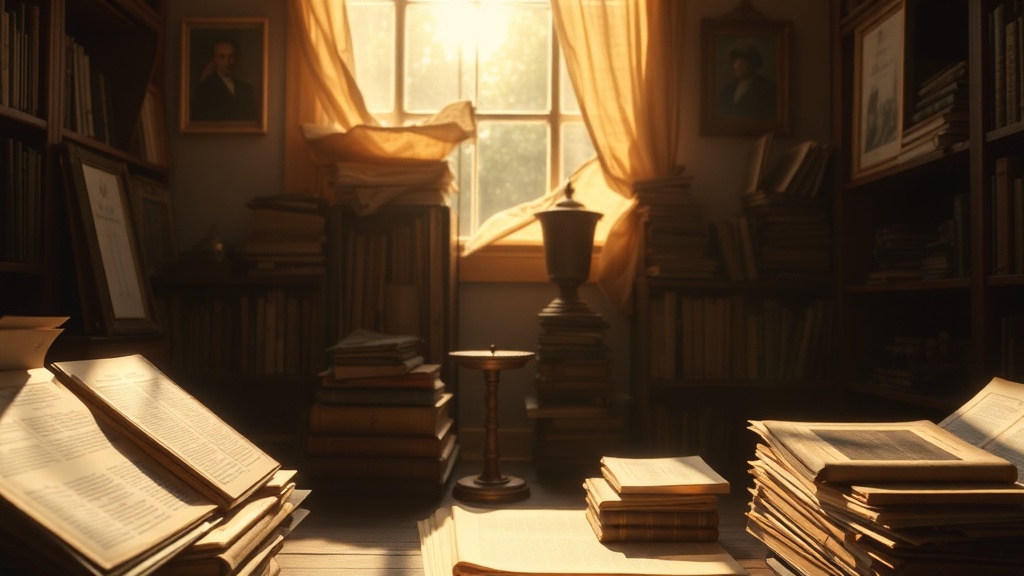
Avoid Sunlight Damage to Your Paper Collections

Quick Tip
Always use UV-protective glass or keep your posters away from direct sunlight to prevent irreversible fading.
You hang a stunning 1960s psychedelic concert poster in your living room, only to realize six months later that the vibrant pinks have faded into a dull, sickly peach. Sunlight is the silent killer of paper collections. UV rays break down the chemical bonds in ink and paper fibers, causing irreversible fading and structural brittleness. If you want your vintage assets to hold their value, you have to manage your light exposure.
How Does Sunlight Damage Vintage Paper?
Sunlight damages paper through a process called photodegradation, where ultraviolet (UV) radiation breaks down the molecular structure of the material. This isn't just about color loss; it's about the physical integrity of the item. High UV exposure leads to "yellowing" in white paper and makes the fibers brittle—meaning if you try to unroll a neglected poster, it might literally snap or flake.
The light spectrum is divided into different types of radiation. While visible light is generally safe in small doses, the UV portion is what does the heavy lifting of destruction. You can learn more about the science of light and its effects on materials via the Wikipedia entry on photodegradation.
What Are the Best Ways to Protect Posters?
The most effective way to protect your collection is to use UV-filtering glass or acrylic and keep your displays away from direct windows.
Here is a quick checklist for displaying your items safely:
- Use UV-Protective Glazing: Swap standard glass for 99% UV-protective acrylic (brands like Tru Vue are industry standards).
- Avoid Direct Sunlight: Never hang a poster on a wall that receives direct sunbeams during the day.
- Control Humidity: Light isn't the only enemy; keep your room at a stable temperature and humidity level.
- Use Non-Acidic Materials: Ensure your backing boards are acid-free to prevent "acid burn" from the inside out.
If you are dealing with high-value pieces, you might want to consult the Library of Congress preservation guidelines for more technical storage-grade advice.
How Much Does UV Protection Cost?
UV protection costs vary depending on whether you are buying a custom frame or a retail-ready solution. A standard piece of glass is cheap, but specialized UV-filtering glass or acrylic is a premium product.
| Protection Type | Typical Cost Level | Effectiveness |
|---|---|---|
| Standard Glass | $ (Low) | Minimal UV protection |
| UV-Filtering Acrylic | $$ (Moderate) | High (blocks ~99% UV) |
| Museum Glass | $$$ (High) | Excellent (anti-reflective + UV) |
Before you go framing a new find, make sure you know exactly what you're looking at. Understanding the medium is the first step to preservation—check out my guide to identifying authentic vintage movie posters to ensure your paper quality is up to par.