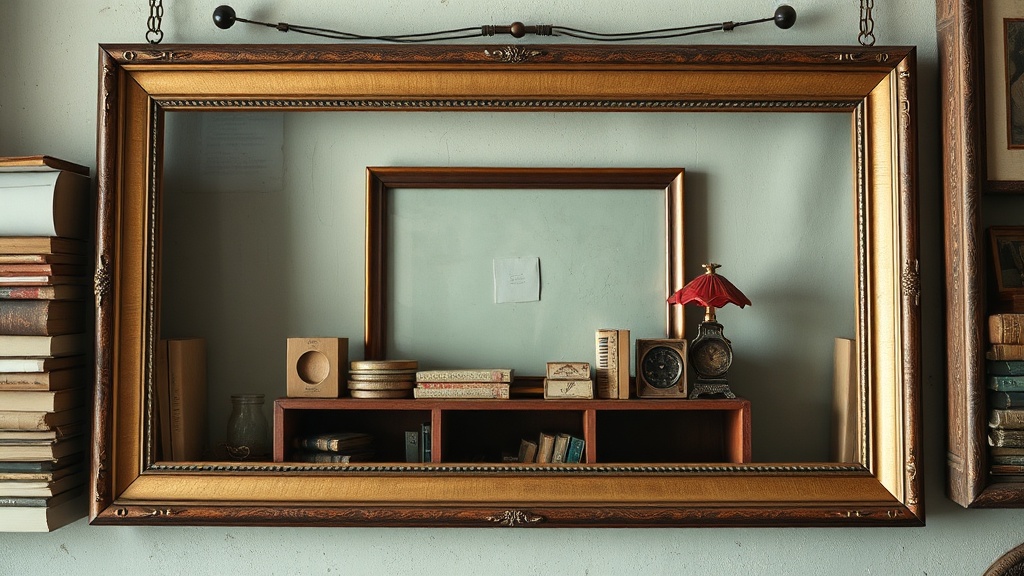
Selecting the Right Frame for Vintage Paper Goods

Why Frame Selection Matters for Paper Preservation
Did you know that even high-quality acid-free paper can begin to degrade in as little as six months if it stays in contact with certain types of wood or low-grade cardboard? Most people think a frame is just a way to make a piece of art look finished, but for collectors, it is actually the first line of defense against the environment. This post covers the technical requirements of framing vintage posters, travel advertisements, and delicate paper ephemera. We will look at why your choice of materials determines whether a piece stays vibrant or turns yellow and brittle.
If you treat a frame as a mere decorative border, you might accidentally destroy the value of your collection. The chemical interactions between the paper and the frame components are often invisible to the naked eye, yet they are constantly at work. Whether you are displaying a 1950s cinema poster or a mid-century travel print, the goal is to create a stable, neutral environment that isolates the paper from the outside world.
What materials should I use for a professional display?
The most important rule in the world of paper preservation is the avoidance of acid. Most standard cardboard backings and cheap wooden frames are highly acidic. Over time, these acids migrate into the paper, causing the dark brown edges often seen on old newsprint or cheap posters. To prevent this, you must use archival-grade materials. This means looking for specific terms when you shop.
- Acid-free Matting: Use 100% cotton rag or high-quality alpha-cellulose mats. These provide a physical gap between the glass and the art, which is vital for air circulation.
- Buffered vs. Unbuffered: For many vintage prints, buffered mats are great because they help neutralize acidic migration. However, be careful with certain types of silk-based or extremely old papers that might react to the alkalinity.
- Archival Backing: Instead of regular cardboard, use acid-free foam core or specialized museum-grade boards.
When you are looking for a frame, don't just go to a big-box craft store and grab the first thing you see. Most of those frames use a standard cardboard backing that is a ticking time bomb for your vintage paper. You want to ensure that the materials are "archival" or "acid-free." If you are unsure, check the Library of Congress preservation guidelines for more on why paper stability is so sensitive to pH levels.
How do I prevent glass from damaging my poster?
One of the biggest mistakes new collectors make is pinning a poster directly against a sheet of glass. This is a recipe for disaster. Glass is non-porous and can trap moisture, leading to mold or "foxing"—those little brown spots that ruin a beautiful print. Beyond that, if the temperature changes, condensation can form between the glass and the paper, causing the ink to bleed or the paper to stick to the pane.
The solution is a mat board. A mat creates a small space of air between the artwork and the glass. This gap is essential. If you want to go a step further, look into UV-protective glass or acrylic. Standard glass does almost nothing to stop the UV rays from a window from bleaching your colors. High-quality acrylic (often called Plexiglass) is much lighter and offers better protection, but it can be more expensive. If you are displaying something particularly valuable, you'll want to look for glass with a UV rating of 99%.
If you are working with a large-scale poster that is too big for a standard mat, you might consider a float frame. This style allows the poster to appear as if it is hovering, but you must still ensure that there is a spacer or a backing board to keep the paper from touching the glass directly. This is a common way to display "unframed" looking items without sacrificing their longevity.
Is UV protection worth the extra cost?
It depends on where you plan to hang the piece. If your collection lives in a room with heavy sunlight, the answer is a resounding yes. UV light is a constant force that breaks down the chemical bonds in both the ink and the paper fibers. Once the colors have faded due to light exposure, they rarely return to their original state. It is an irreversible process.
Many people wonder if a simple UV-filtering film on their windows is enough. While a film helps, it isn't a perfect solution. The most reliable way to protect a vintage poster is to use UV-filtering glazing (the glass or acrylic) within the frame itself. This provides a secondary layer of defense. For more detailed technical specifications on light damage, the International Museum Organizations often discuss the science of light-induced degradation in their resource sections.
Consider the following comparison when deciding on your display method:
| Feature |
|---|
| Weight |
| UV Protection |
| Clarity |
| Cost |
If you are displaying a piece that is part of a long-term collection, the extra investment in acrylic pays for itself by preserving the aesthetic value of the piece. A faded, brittle poster is significantly less valuable than a vibrant, well-preserved one.
How can I hang my vintage posters safely?
Once you have the perfect frame and the right glass, you need to think about how the frame sits on the wall. For larger, heavier frames, do not rely on simple wire or a single nail. The weight can cause the frame to pull away from the wall, which puts stress on the frame and the mounting system. Use heavy-duty hanging hardware that is rated for the weight of your specific frame.
Another tip: avoid hanging your collection on an exterior wall if possible. Exterior walls are subject to more temperature fluctuations and more moisture seepage, which can create a micro-climate behind your frame. If you must hang it there, ensure the frame is a sealed unit. This prevents dust and moisture from creeping into the edges of the frame and hitting the paper.
Finally, always check the back of your frame before hanging. Ensure that the backing-board is securely seated and that the mounting clips are not putting too much pressure on the edges of the paper. If the clips are too tight, they can create permanent indentations or "crush" the fibers of the paper. A little bit of breathing room is always better than a tight, suffocating fit.